October 1, 2026
A garage, basement, or business floor faces demands that a finish alone cannot solve. Vehicle traffic, spills, moisture, and daily wear all shape which flooring system makes sense and how the concrete should be prepared. Choosing an installer therefore involves more than picking a color from a sample. It means finding someone who will examine the actual surface, explain the available options, and remain accessible as the project moves from assessment to completion.
A local epoxy coating service can make those conversations easier to have in the space where the work will occur. Proximity by itself does not prove that an installer is the right choice, but it can support a more direct working relationship. The strongest reasons to choose a provider close to home emerge from how that provider assesses the floor, communicates, and handles the work.
A Floor Needs an In-Person Assessment
Photographs can show discoloration or obvious cracks, but they may not reveal everything that affects a coating. A contractor examining the floor can look at its current condition, how the space is used, and whether moisture or existing damage needs attention. In a garage, vehicle use and exposure to oil or chemicals may shape the recommendation. A basement or commercial room presents different conditions, so the same answer will not suit every floor.
An on-site discussion also gives the property owner a chance to point out trouble spots and explain daily routines. If a section of concrete has persistent staining or a crack that keeps drawing attention, those details belong in the conversation before a finish is selected. A
local epoxy coating service should be able to connect its recommendation to what is actually visible and known about the space.
Surface Preparation Gets the Attention It Deserves
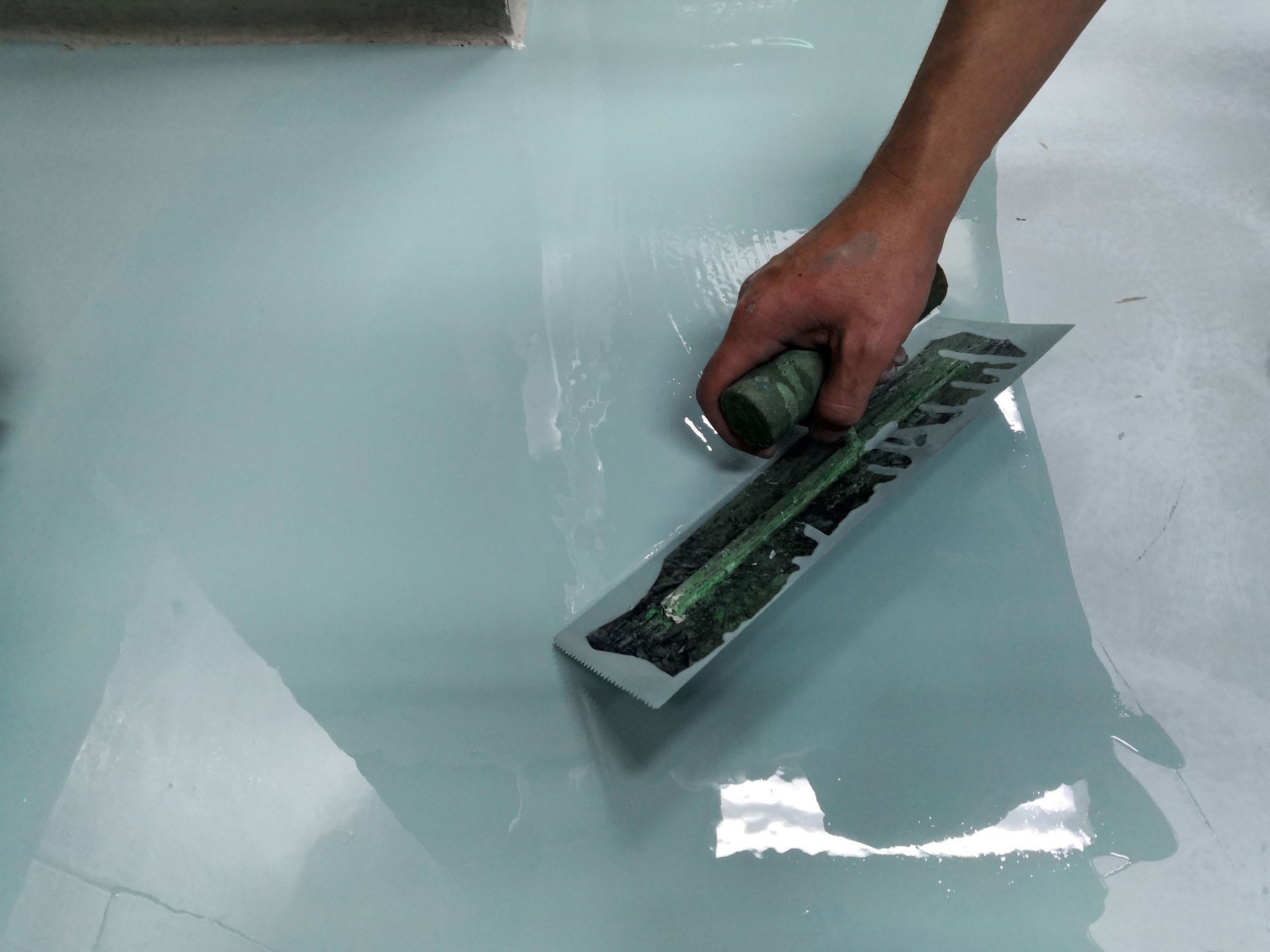
The finished coating may be the most noticeable part of the job, but its performance depends on what happens first. Existing damage, contaminants, and the condition of the concrete can affect how well a flooring system bonds. Preparation may include cleaning, repairing cracks or joints, and mechanically treating the surface where the selected system requires it. The precise approach should follow the floor's condition rather than a fixed routine applied to every project.
This is a useful subject to explore when comparing providers. Ask how they assess the concrete, what repairs are included in the proposed work, and how they will address any moisture concerns they find. Hearing a local epoxy coating service describe the planned preparation helps you understand how it fits the concrete. That explanation connects the floor's condition to the work required before a new surface goes down.
Familiarity With Local Building Conditions
A contractor who works nearby may have encountered floors with conditions similar to yours. A garage used through wet winters presents different demands from a basement where moisture is the main concern or a business with constant foot traffic. That experience can sharpen the initial questions, although it should never replace an assessment of your particular floor.
Ask what the contractor has encountered in spaces like yours and how those experiences inform the proposed system. Previous projects can show what a local epoxy coating service has learned about preparation, finish selection, and care. The useful answer will address your floor's exposure and daily use, rather than rely on a broad claim that a certain product works everywhere.
Options That Match How the Space Is Used
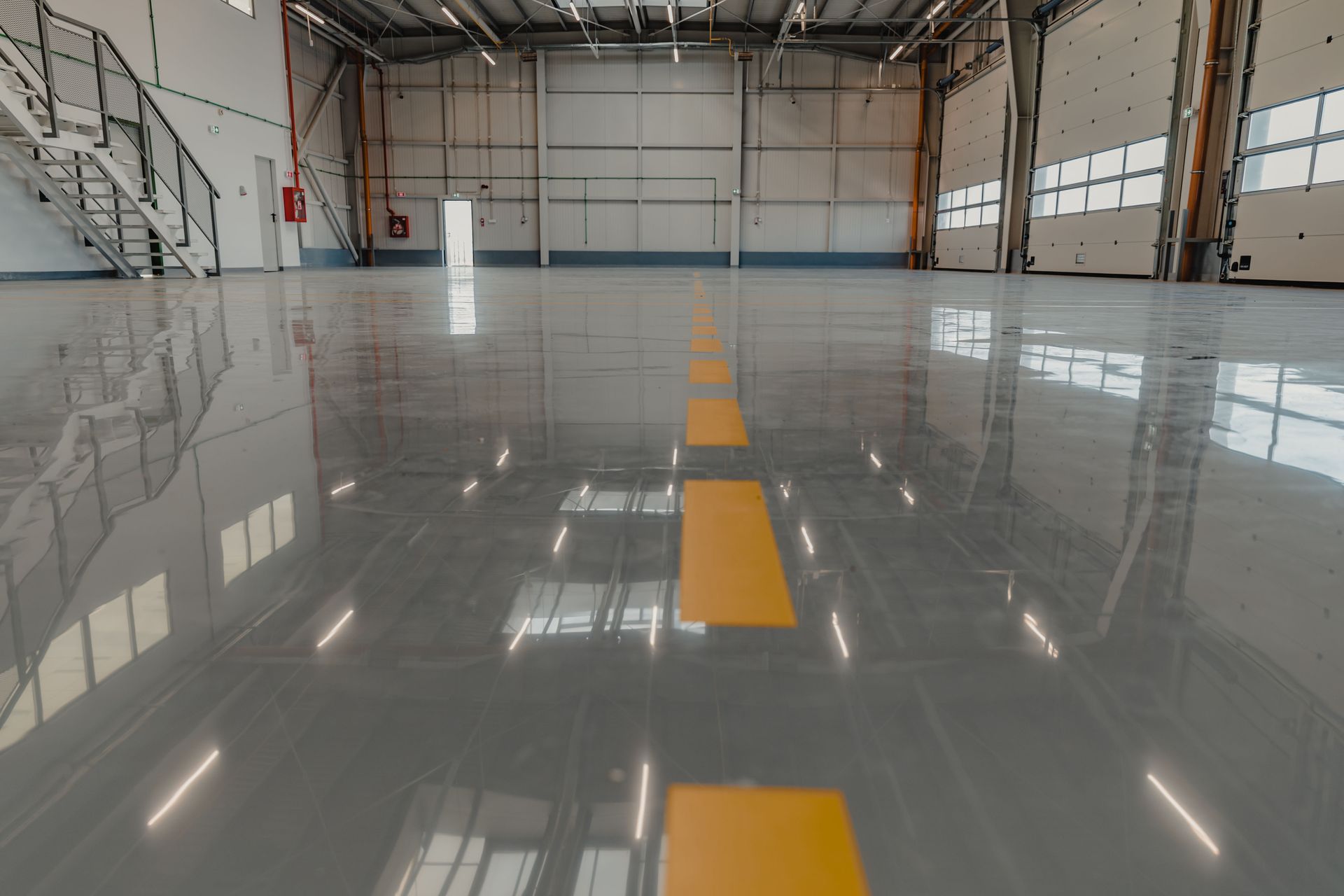
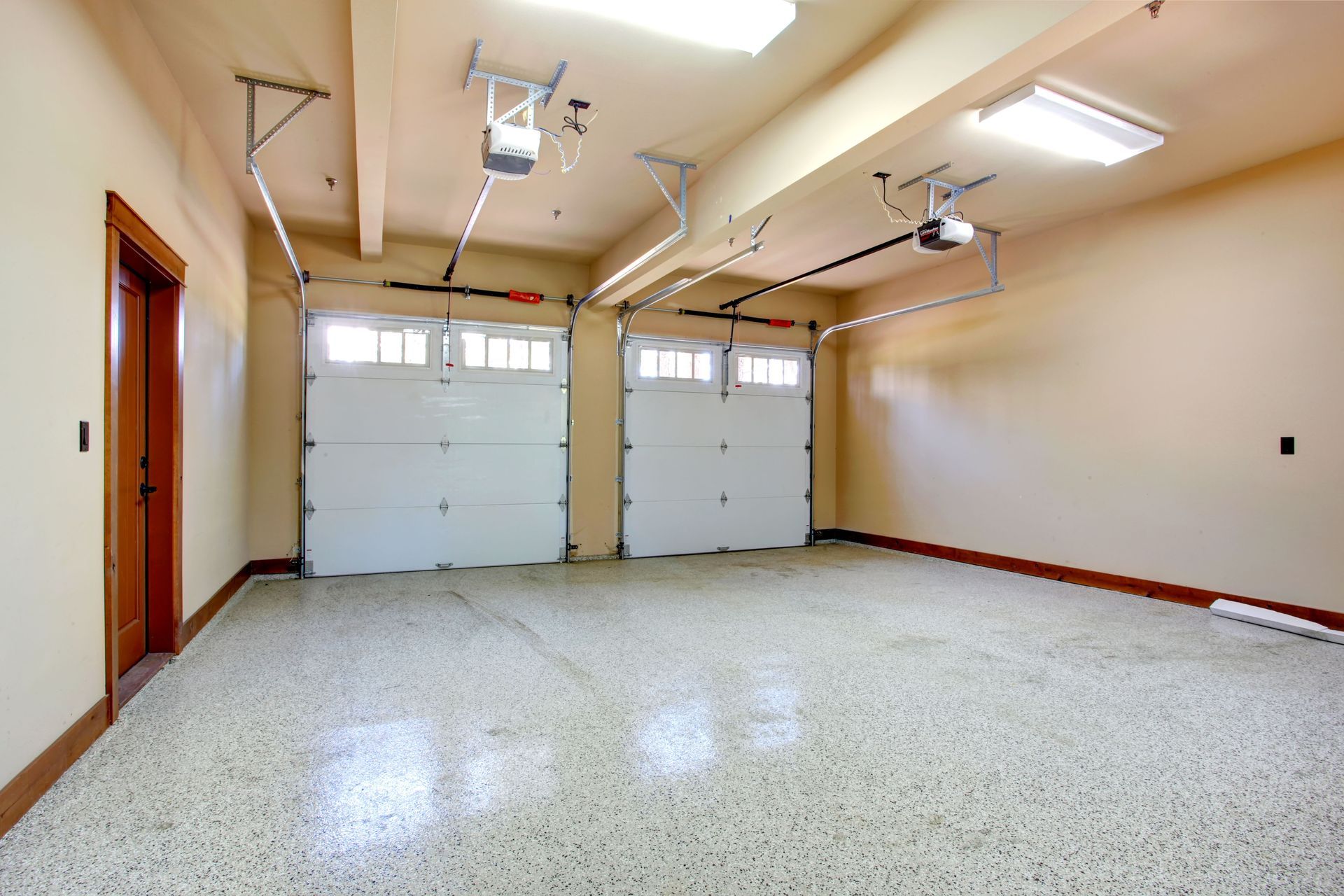
The floor in a garage serves a different purpose from one in a busy workplace. A garage coating may need to handle vehicle use and common spills, while a business may put greater weight on foot traffic, equipment, or cleaning demands. Solid colors, flakes, and metallic finishes also create distinct appearances. Considering how the floor will look and function helps narrow those options to systems suited to the room.
Appearance alone cannot settle questions about traction, cleaning, or chemical exposure. An anti-slip treatment may be worth discussing where footing matters, while a commercial floor exposed to frequent cleaning may call for a different system. By considering these conditions in the actual room, a local epoxy coating service can explain why it recommends one finish over another.
Clear Expectations About the Work
Flooring installation affects access to the room, whether the project is in a home or an operating business. Before work begins, it helps to understand the stages of preparation, application, and curing, along with when normal use can resume. The timing depends on the system and conditions, so a specific plan is more useful than a blanket promise. For a business, discussing work hours can also help limit disruption to customers and staff.
Communication should continue if the condition of the concrete calls for a change to that plan. A contractor who explains what was found and what it means gives the property owner a chance to understand the next step. A local epoxy coating service can discuss access, scheduling, and progress with the people who use the space each day.
Understanding What an Estimate Covers
An estimate is most useful when it explains the work behind the proposed floor. It should allow a customer to see how preparation, repairs, the selected flooring system, and any decorative choices relate to the project. According to Home Advisor, epoxy flooring can last 10 to 20 years. That range gives context for why an estimate is worthwhile for such a long-term, essential solution.
That description should answer practical questions before work begins: Will existing cracks be repaired, and what preparation does the concrete need? It should also explain why the proposed finish suits the room's use. When a local epoxy coating service provides that detail in plain language, the property owner can judge the scope of the work without relying on the appearance of a sample alone.
Support After Installation
The relationship with an installer does not end when the room looks finished. Floors need appropriate care, and different systems may have different cleaning or maintenance recommendations. Written guidance can help a homeowner or business owner understand how to look after the new surface. It is also reasonable to ask what follow-up support or warranty terms apply to the installation.
For a business, ongoing care may be particularly important where traffic or equipment use causes wear. Some providers also offer scheduled cleaning, protective treatments, or repairs, but those services should be discussed as part of a specific scope. A nearby provider may make future conversations more convenient, provided its maintenance offerings match what the floor needs. Accessibility is useful when paired with clear expectations about what happens after the project.
Past Work Can Make Experience More Concrete
When comparing providers, ask about completed floors in spaces similar to yours. A garage project can show how a contractor addressed worn concrete and selected a finish for vehicle use; a commercial example may reveal how the work was scheduled around business operations. Discussing what made those projects different is more useful than looking at finished photographs alone. It gives you a way to hear how the contractor approached preparation, application, and the needs of the people using each floor.
Choosing an installer begins with a clear assessment of the concrete and how the room is used. A nearby provider earns consideration by showing how its preparation, flooring recommendation, and communication suit that particular project. At Bay State Epoxy, we assess and prepare concrete and install residential and commercial flooring systems for a range of spaces. We can discuss your floor and the options available for it when you are ready to plan a project.